

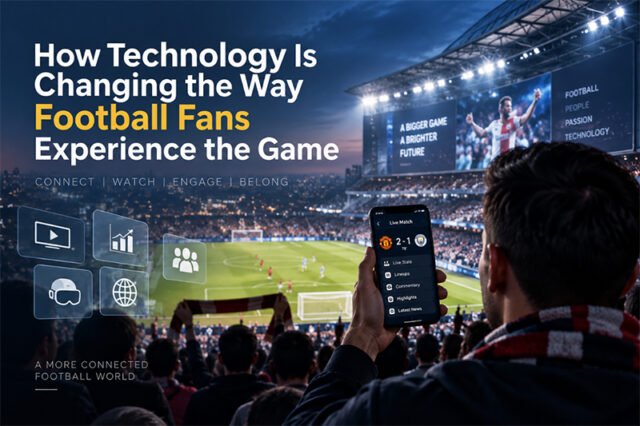
Football has always been more than just a sport. For millions of people around the world, matchday is an experience built around emotion, community, tradition, and a shared passion for the game. But the way fans experience football is changing rapidly.
Technology has transformed almost every part of the football ecosystem. From watching matches on mobile phones to interacting with clubs on social media, supporters now have more ways to follow their favorite teams than ever before.
This digital transformation is not simply changing how people watch football. It is creating new ways for fans to interact with players, clubs, competitions, and other supporters.
The Rise of Digital Football Fans
In the past, following a football club usually meant watching matches on television, reading newspapers, or visiting the stadium. Today, fans can stay connected to their favorite teams throughout the entire day.
Club websites, mobile applications, social media platforms, podcasts, newsletters, and online communities provide supporters with constant access to football-related information.
A fan can check a team’s latest transfer news in the morning, watch training footage during lunch, follow live statistics during a match, and see post-match interviews immediately afterward.
This constant connection has created a new type of football supporter: the digital fan.
Smartphones Have Changed Matchday
The smartphone has become one of the most important tools for modern football fans.
Supporters can use their phones to:
- Check live scores and statistics
- Watch match highlights
- Follow live commentary
- Receive team news and notifications
- Purchase tickets
- Access digital stadium passes
- Share opinions on social media
- Watch interviews and behind-the-scenes content
For fans who cannot attend a match in person, smartphones also provide a way to remain connected to the action.
Even during stadium visits, supporters increasingly use mobile devices to access digital tickets, stadium maps, food ordering services, merchandise stores, and additional match information.
Social Media Has Made Football More Interactive
Social media has arguably changed football fandom more than any other digital development.
Platforms such as Instagram, YouTube, TikTok, Facebook, and X allow clubs and players to communicate directly with supporters. Instead of waiting for interviews or press conferences, fans can now see updates almost instantly.
A football club might post a training video in the morning, announce a player signing in the afternoon, and share dressing-room footage after the match.
This creates a continuous conversation between clubs and their audiences.
Players have also developed their own digital identities. Many footballers communicate directly with fans through personal social media accounts, giving supporters access to parts of their lives that were previously unavailable to the public.
Data Is Making Football More Analytical
Technology is also changing the way supporters understand the game.
Modern football produces enormous amounts of data. Statistics can measure everything from possession and passing accuracy to distance covered, expected goals, pressing intensity, and individual player performance.
These statistics have become particularly popular among fans who enjoy analyzing matches beyond the final score.
Instead of simply saying that a player had a good game, supporters can examine specific numbers to understand their contribution.
Football media outlets increasingly use data visualizations and advanced statistics to explain tactical decisions and player performances. This has made the sport more accessible to fans who enjoy the analytical side of football.
Streaming Has Expanded Access to Football
Traditional television remains important, but streaming services have created new possibilities for football audiences.
Fans can now watch matches and football-related programs across smart TVs, computers, tablets, and smartphones. In many cases, they are no longer dependent on a traditional television schedule.
Streaming has also encouraged the development of additional football content.
Match analysis, tactical breakdowns, player interviews, documentaries, podcasts, and fan-created videos can all be consumed online.
This means football entertainment is no longer limited to the 90 minutes played on the pitch.
Virtual and Augmented Reality Could Transform Stadiums
Virtual reality (VR) and augmented reality (AR) are still developing, but both technologies could have a major impact on football.
VR could eventually allow fans to experience matches through immersive digital environments, potentially providing different viewing angles or virtual stadium experiences.
Augmented reality could add digital information to the physical matchday environment. Fans might use their smartphones or AR glasses to access player statistics, team information, stadium navigation, or interactive content while watching a game.
These technologies are still evolving, but they demonstrate how the boundary between physical and digital football experiences is becoming less defined.
Football Entertainment Is Becoming More Digital
The influence of technology extends beyond watching matches.
Football supporters now encounter a huge ecosystem of digital entertainment connected to the sport. Fantasy football, prediction platforms, interactive games, online communities, and football-related entertainment have all become part of modern fan culture.
For example, fans interested in broader online entertainment may come across platforms such as sultanslot while exploring digital gaming communities. Similarly, qqemas is another example of how digital entertainment platforms have become part of the wider online ecosystem. The important trend is that football audiences increasingly move between different digital experiences rather than consuming football through a single channel.
This creates new opportunities for brands and football organizations to understand how their audiences behave online.
Personalization Is Becoming More Important
Another major technological development is personalization.
Football platforms can use information about user preferences to provide more relevant content. A supporter who follows a particular club may receive its latest news, match reminders, player updates, and video content without having to search for them.
The same principle applies to merchandise and ticketing.
Digital platforms can recommend products, experiences, or content based on previous interactions. As technology becomes more sophisticated, football fans can expect increasingly personalized digital experiences.
However, personalization also creates an important responsibility for companies. User data must be handled carefully, transparently, and responsibly.
Artificial Intelligence and the Future of Football Content
Artificial intelligence is becoming another important technology across the sports industry.
AI can help process large amounts of football data, generate insights, personalize content, and assist with customer service.
For fans, this could eventually mean more intelligent football applications capable of answering questions about teams, players, statistics, fixtures, and historical performances.
AI can also help media organizations produce faster match summaries and personalized content.
However, human creativity and editorial judgment will remain important. Football is an emotional sport, and numbers alone cannot explain why a particular match becomes memorable.
Digital Communities Are Bringing Fans Together
One of the most positive effects of technology is its ability to connect people.
A supporter in India can discuss a Premier League match with someone in Brazil. A fan in Spain can follow conversations about a club with supporters in Japan. Football communities have become genuinely global.
Online forums, social networks, messaging groups, and fan channels allow supporters to exchange opinions, celebrate victories, debate tactical decisions, and share memorable moments.
This global connectivity has helped football clubs develop international audiences that would have been much harder to reach in the past.
The Challenge of Too Much Technology
Although technology provides enormous benefits, there are also challenges.
Constant notifications and social media updates can make it difficult for fans to disconnect. The rapid spread of information can also make it harder to distinguish reliable football news from rumors or misinformation.
There are also concerns surrounding privacy, data protection, screen time, and the commercialization of fan experiences.
Football organizations therefore need to find a balance between innovation and authenticity.
Technology should enhance the relationship between supporters and the sport rather than replace the emotional connection that makes football special.
What Does the Future Look Like?
The future of football fandom is likely to become even more connected.
Fans may increasingly use AI-powered applications, immersive viewing technologies, personalized content platforms, digital collectibles, smart stadium services, and interactive broadcasts.
At the same time, the basic attraction of football will remain unchanged.
People will still gather to watch important matches. Supporters will still celebrate goals with friends and family. Rivalries will continue to generate passionate debates, and stadiums will remain important places for creating unforgettable memories.
Technology is simply giving fans more ways to experience those moments.
Final Thoughts
Technology has transformed football from a sport that fans primarily watched into an experience they can interact with throughout the day.
Smartphones, streaming, social media, data analytics, artificial intelligence, and immersive technologies have created a more connected football ecosystem.
The next stage of this transformation will likely bring even more personalized and interactive experiences. Yet the most successful innovations will be those that strengthen the relationship between fans and the game.
After all, technology may change how we experience football, but it is the passion, competition, and community surrounding the sport that keeps fans coming back.